Hornsey High Street rubbish collection guide for residents
If you live on or near Hornsey High Street, rubbish has a habit of becoming urgent at the least convenient time. One overflowing bin bag, a bulky chair that won't fit through the door, or a post-move pile of cardboard can suddenly turn into a real nuisance. This Hornsey High Street rubbish collection guide for residents is here to make the process clearer, calmer, and a lot less messy.
You'll find practical advice on how rubbish collection usually works, what to do with bulky or awkward items, how to avoid common mistakes, and when a professional clearance service makes more sense than trying to wrestle everything out yourself. In other words: less guesswork, fewer headaches, and a better way to get your space back.
To be fair, most people don't think about waste until it starts bothering them. That's normal. But a little planning goes a long way, especially in a busy London street where access, timing, neighbours, and shared spaces can make things trickier than they first appear.
Why Hornsey High Street rubbish collection guide for residents Matters
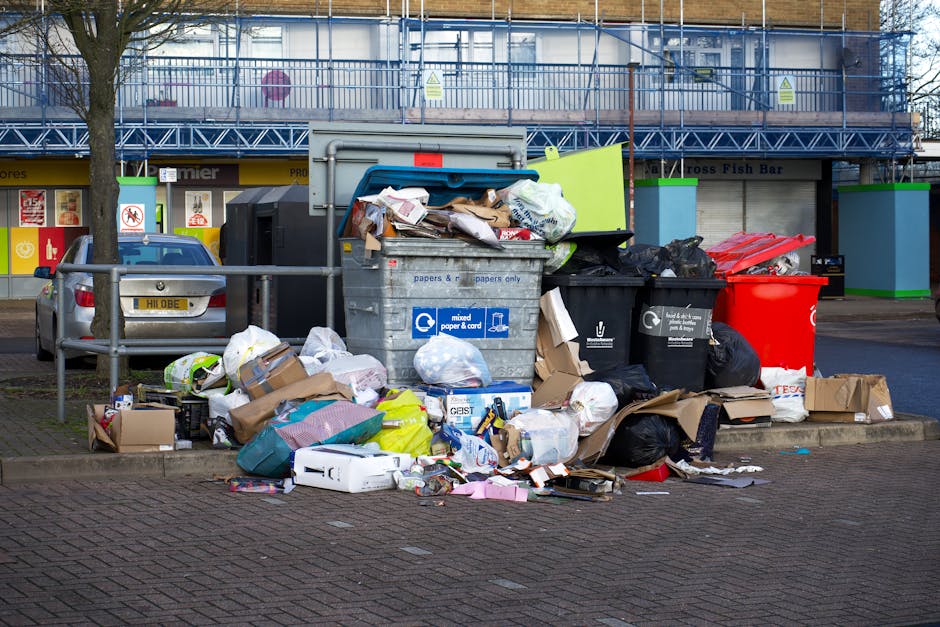
Rubbish collection sounds straightforward until you try doing it in a real home, on a real street, with real constraints. Hornsey High Street has the usual London mix of terraces, flats, shared entrances, tight footways, parked cars, and the occasional awkward stairwell. That means waste management is not just about "getting rid of stuff". It's about doing it safely, legally, and without turning the pavement into an obstacle course.
For residents, this matters for three main reasons. First, rubbish left out too early or packed badly can attract pests, smells, and complaints from neighbours. Second, bulky waste can cause trip hazards or block access for prams, wheelchairs, deliveries, and emergency services. Third, if items are not disposed of properly, you can end up with fines, missed collections, or the grim pleasure of having to deal with the mess twice. Nobody wants that.
There's also a practical side. Good rubbish collection habits save time and reduce stress. If you know what can go in normal household waste, what needs separate handling, and what should be booked as a clearance job, you make better decisions. That sounds small, but in a busy household it really does add up.
If you are dealing with a larger home clear-out, it can help to look at related services such as home clearance or house clearance when the job is bigger than standard bin day. For certain single-item jobs, furniture disposal can be the neater option.
How Hornsey High Street rubbish collection guide for residents Works
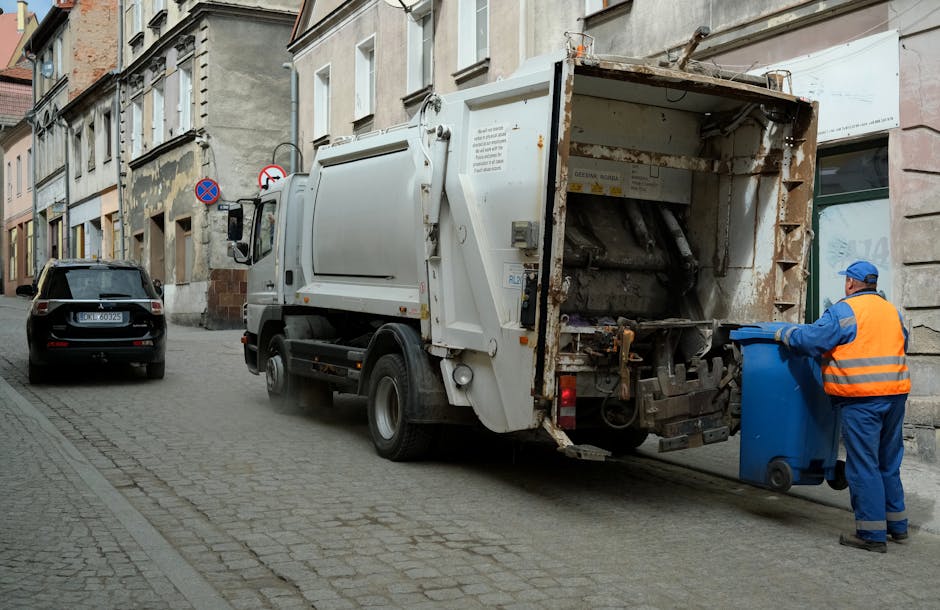
At a basic level, rubbish collection follows a familiar pattern: you separate waste, put it out in the right place at the right time, and it is collected according to the local schedule or arranged service. But the real world is a bit more nuanced. The type of waste matters, the quantity matters, and the access to your property matters too.
In many homes, day-to-day waste is split into household rubbish, recycling, food waste, and occasionally garden or bulky items. The details vary depending on what you produce and how much room you have. A one-bedroom flat with a narrow hallway behaves differently from a family house with a shed, a loft, and a half-finished DIY project in the corner. Naturally.
Collection usually falls into one of these buckets:
- Routine household collection for everyday waste and recycling.
- Bulky waste collection for larger items that won't fit in normal bins.
- DIY or builders' waste removal for rubble, timber, tiles, and renovation debris.
- Specialist clearance for mixed loads, hoarded spaces, or full property clear-outs.
For mixed or heavier loads, a dedicated waste removal service can be more efficient than trying to stagger several smaller collections. If the waste came from a refurb or repair project, builders waste clearance may fit the job better.
The key is matching the method to the waste. That's the bit people often skip, and it's where problems start. A sofa is not the same as a sack of leaves, and old plasterboard is not the same as a broken bedside table. Obvious, yes. But in the middle of a busy week, obvious things get missed.
Key Benefits and Practical Advantages
Getting rubbish collection right offers more than a tidy kerb. It helps keep your home easier to live in, and that can shift the whole mood of a space. Less clutter, less smell, less friction when you walk through the hallway with a shopping bag in one hand and a kettle in the other.
Here are the main benefits residents usually notice:
- Cleaner living space: Waste doesn't hang around long enough to become part of the furniture.
- Better safety: Fewer trip hazards, fewer blocked walkways, fewer lifting injuries.
- Less neighbour tension: Especially useful in shared buildings and narrow streets.
- More efficient clear-outs: You can clear a room or property faster when the disposal route is sorted first.
- Improved recycling outcomes: Good sorting makes it easier to recover reusable materials.
There's also a subtle but important advantage: peace of mind. If you know your waste is being handled properly, you stop second-guessing every bag, box, and broken shelf. That mental relief matters more than people admit.
If sustainability matters to you, take a look at recycling and sustainability. It's a useful reminder that disposal decisions can support reuse and recycling where practical, rather than sending everything straight to landfill. And if you're comparing providers, pricing and quotes can help you understand what is included before you commit.
Who This Is For and When It Makes Sense
This guide is for any resident who needs to deal with waste on or around Hornsey High Street, but it's especially helpful if your situation falls into one of these categories:
- You've moved in and inherited leftover junk, packaging, or broken furniture.
- You are doing a room clear-out and the bin is already full before lunch.
- You live in a flat and have limited storage for rubbish between collections.
- You're preparing a property for rent, sale, or a tenancy handover.
- You've had a garage, loft, or garden fill up over time.
- You need to dispose of a bulky item quickly and without disruption.
It also makes sense when routine bin collection simply isn't enough. A broken wardrobe, old mattress, or stack of office chairs won't magically disappear because you hope hard enough. Unfortunately, rubbish does not respond to optimism.
Residents in flats often benefit from flat clearance when multiple items need shifting at once. Homeowners dealing with packed storage areas may find loft clearance or garage clearance more practical. If the waste has built up outdoors, garden clearance can help with branches, soil, and general green waste.
Step-by-Step Guidance
If you want the process to feel less overwhelming, work through it in stages. You do not need to tackle everything at once. In fact, trying to do that is how people end up surrounded by half-sorted bags and a nagging sense of defeat.
- Identify the waste type. Separate everyday rubbish, recycling, bulky items, and anything that needs specialist handling.
- Measure the volume. Estimate whether this is a few bags, a room's worth, or a full clearance. The difference matters.
- Check access. Think about stairs, narrow hallways, parking, lift access, and whether items need dismantling first.
- Sort anything reusable. If something can be donated, repurposed, or reused, set it aside before the load gets mixed.
- Choose the right disposal route. Routine collection, bulky collection, or professional removal all suit different jobs.
- Prepare the items. Bag loose waste, stack cardboard flat, empty drawers, and remove sharp edges if safe to do so.
- Book or arrange collection. Make sure timing suits your schedule and your property access.
- Clear the path. Keep entrances and communal areas free, especially in shared buildings.
A practical example: if you're clearing a spare room after a long-overdue tidy-up, begin with obvious rubbish, then furniture, then smaller mixed items. That order keeps you from moving the same thing three times. Which, let's face it, is one of life's more irritating tasks.
If the items are in decent condition, you may want to separate reusable pieces before disposal. For example, furniture clearance is often the best route for several items at once, while a single damaged item may be better handled through furniture disposal.
Expert Tips for Better Results
A few small habits make rubbish collection smoother straight away. Nothing dramatic. Just the sort of things that save a person from an awkward scramble on collection day.
- Keep one "decision" pile and one "dump" pile. It reduces indecision. You'd be surprised how much time that saves.
- Flatten cardboard early. It takes up less room and makes loads easier to stack.
- Break down furniture where safe. A dismantled bed frame is much easier to remove than a fully assembled one wedged in a hallway.
- Use heavy-duty bags for loose rubbish. Thin bags split at the worst possible moment. Always.
- Keep sharp, wet, or dusty items separate. It helps with handling and reduces mess.
- Take photos before collection. Useful for tracking what is going, and sometimes for confirming a quote.
Another tip: if the job feels bigger than you thought, pause and reassess before you start carrying things downstairs. It is much easier to adjust the plan at the top of the stairs than at the bottom with a wobbly wardrobe panel. Small mercy, really.
For homes, offices, or mixed premises, it can also help to work with services that specialise in the type of load you have. For example, office clearance is better suited to desks, chairs, filing cabinets, and other workplace items, while business waste removal is a smarter fit for larger non-domestic waste streams.
Common Mistakes to Avoid
Most rubbish collection problems come from small mistakes rather than one huge error. The trouble is, those small mistakes stack up quickly.
- Leaving waste out too early and causing obstruction or complaints.
- Mixing hazardous or sharp items into general rubbish bags.
- Underestimating volume and discovering the vehicle or bin space is not enough.
- Not checking access for doors, stairs, lifts, parking, or shared entrances.
- Forgetting about separate materials such as wood, metal, electrical items, or rubble.
- Trying to move heavy items alone and risking injury.
One common issue in residential streets is mixed waste. People start with a tidy bag of cardboard, then add broken shelves, old bedding, and a couple of mystery items from the back of a cupboard. Before long, it's a mixed load that needs more careful handling. Better to spot that early.
Another mistake is choosing the cheapest option without checking what is included. If you want clarity around service scope, collection timing, and terms, the pages on terms and conditions and payment and security are worth reviewing before any booking decision.
Tools, Resources and Recommendations
You do not need a van and a warehouse to manage most household rubbish well. A few simple tools are usually enough.
- Strong refuse bags for loose, non-sharp waste.
- Cardboard boxes or storage tubs for sorting mixed items.
- Gloves for handling dusty, dirty, or rough materials.
- Tape, scissors, and a marker pen for bundling and labelling.
- Basic measuring tape to estimate furniture size and access width.
- Phone camera for photos, inventory, or quote requests.
When residents are deciding whether to do it themselves or bring in help, practical comparison is the best tool of all. If the job is a few bags and one small item, routine handling may be enough. If you are facing stairs, a tight landing, or several large pieces, the balance changes quickly.
Useful service pages to explore, depending on the situation, include furniture disposal, garage clearance, and loft clearance. If you're dealing with a full property reset, house clearance is often the most efficient route.
Law, Compliance, Standards and Best Practice
Waste disposal in the UK sits within a broader framework of legal responsibility and sensible practice. You do not need to become a waste law expert, but you do need to understand the basics: rubbish should be managed safely, it should not be fly-tipped, and it should go to the right place through a proper route.
For residents, the main best-practice points are straightforward. Do not leave waste where it blocks pavements, entrances, or shared access routes. Keep hazardous items separate from ordinary household rubbish. Use authorised collection or clearance services where needed. And if you are disposing of items with personal information, make sure they are destroyed or emptied properly first. Old papers, labels, and documents are easy to overlook in the rush.
There is also a professional standard side to this. A good clearance provider should handle waste with care, communicate clearly, and work safely around your home and neighbours. Pages such as health and safety policy, insurance and safety, and about us can help reassure you that a company takes those responsibilities seriously.
Best practice is really just common sense with better habits attached. Keep the area tidy, separate waste properly, ask questions if something is unclear, and choose a service that feels transparent. That's the part people tend to appreciate after the fact.
Options, Methods, and Comparison Table
Not every rubbish problem needs the same solution. The right approach depends on time, volume, item type, and how much lifting you want to do yourself. Here's a simple comparison to help you decide.
| Method | Best for | Pros | Trade-offs |
|---|---|---|---|
| Routine household collection | Everyday rubbish and recycling | Simple, familiar, low effort | Limited capacity; not ideal for bulky items |
| Bulky waste collection | Single large items or a few awkward pieces | Good for sofas, mattresses, white goods | May require preparation and scheduling |
| Professional waste removal | Mixed loads, heavy items, time-sensitive jobs | Fast, flexible, less manual work | Usually costs more than DIY disposal |
| Room or property clearance | Flats, homes, lofts, garages, offices | Comprehensive and efficient | Needs a clear plan and access arrangements |
If you only have a small amount of waste, routine collection is often enough. If you have a lot of mixed material or physical access is difficult, a specialist service usually wins on convenience and safety. Simple, really.
Case Study or Real-World Example
Imagine a resident in a second-floor flat near Hornsey High Street after a long weekend of clearing out a spare room. There's a broken bedside table, two bags of clothes, flattened cardboard from a new shelf unit, an old lamp, and a chest of drawers that looked easier to move when it was still assembled in the bedroom.
At first, it looks manageable. Then the hallway narrowness becomes obvious, the lift is too small for the drawers, and the bags are heavier than expected. A routine bin run would take several trips and probably leave the resident sweating by the front door, not exactly ideal on a Tuesday evening.
The smarter approach is to sort the items into reusable, recyclable, and disposable categories, then arrange a proper collection for the bulky pieces. That way the smaller waste can be handled separately and the awkward furniture moves in one controlled go. The resident avoids repeated lifting, reduces the chance of damaging walls or bannisters, and gets the flat back to normal much sooner.
That sort of scenario is common enough. Truth be told, most "simple" clear-outs are only simple until the first large item reaches the landing.
Practical Checklist
Use this checklist before collection day so nothing catches you out:
- Separate general rubbish, recycling, and bulky waste.
- Remove personal items from drawers, cupboards, and boxes.
- Check whether items can be reused, donated, or repurposed.
- Flatten cardboard and bundle loose materials where possible.
- Measure large items and note narrow doorways or stair turns.
- Keep access routes clear inside and outside the property.
- Confirm whether parking or entry arrangements are needed.
- Use gloves and proper footwear if you are moving anything yourself.
- Keep hazardous, sharp, or questionable items separate.
- Review the booking details, timing, and any conditions in advance.
Expert summary: if you treat waste collection as a planning task rather than a last-minute chore, everything gets easier. You protect your property, save effort, and avoid that awful end-of-day feeling when a job was meant to take ten minutes and somehow took two hours.
Get a free quote today and see how much you can save.
Conclusion
Hornsey High Street residents deal with the same waste challenges as anyone else in London, but the pace, access, and shared-space realities of the area can make rubbish collection feel more complicated than it first appears. The good news is that once you understand the type of waste, the best disposal route, and the practical steps involved, the whole thing becomes much more manageable.
Whether you are clearing a single bulky item, emptying a loft, or dealing with a full property tidy-up, the real win is choosing the right method early. That saves time, reduces stress, and keeps your home and street in better shape. And honestly, that bit of calm matters more than people realise.
Take it one step at a time, keep the route clear, and choose the option that fits the job rather than forcing the job to fit the option. It's a small shift, but it makes a world of difference.
When you're ready, go with the solution that feels safe, simple, and properly thought through. That's usually the one that leaves you with the cleanest result and the least regret.
Frequently Asked Questions
What is the best way for Hornsey High Street residents to get rid of bulky rubbish?
The best method depends on the item and how much of it you have. For one or two large pieces, a bulky waste approach may be enough. For mixed or heavy loads, professional waste removal is usually easier and faster.
Can I leave rubbish out on the street before collection?
Only if it is permitted and timed correctly. Leaving waste out too early can create obstruction, complaints, or safety issues. In shared streets, timing and placement matter more than people think.
What should I do with old furniture I no longer want?
If the furniture is usable, consider whether it can be reused elsewhere. If not, furniture disposal or furniture clearance is often the most practical route, especially when several items need shifting together.
Is a flat clearance different from normal rubbish collection?
Yes. Flat clearance usually involves a larger, mixed load and more planning around access, stairs, lifts, and shared hallways. It is more than just taking out the bins.
How do I know if I need a full house clearance?
If multiple rooms need emptying, or if the property contains a significant amount of furniture and general waste, house clearance is usually the better fit. It is designed for bigger, more comprehensive jobs.
What happens if my waste includes garden or DIY debris?
Green waste and building materials often need separate handling. Garden clearance works well for outdoor waste, while builders waste clearance is better for rubble, timber, and refurb-related debris.
Can I mix cardboard, old clothes, and broken household items together?
Sometimes a mixed load is unavoidable, but sorting waste first is usually better for recycling and handling. Mixed waste is manageable, yet it can make collection and processing less efficient.
What should I check before booking a waste collection service?
Check what is included, how access will work, whether heavy lifting is covered, and how payment is handled. It also helps to review terms and conditions and safety information before confirming anything.
Is it worth clearing the loft or garage separately?
Often, yes. Loft clearance and garage clearance can be more efficient because they target one area at a time. That makes sorting simpler and keeps the job from spreading across the whole home.
What if I only have a few bags of rubbish?
If it is genuinely a small amount, routine household collection may be enough. But if the bags are bulky, awkward, or made up of mixed materials, it may still be worth arranging a more suitable collection.
How can I reduce waste before collection day?
Set aside reusable items, flatten packaging, separate recyclable materials, and avoid mixing everything together at the last minute. A little sorting up front can reduce the overall load and make disposal cleaner.
Where can I learn more about the company's approach to safety and sustainability?
The most relevant pages are the company's recycling and sustainability information, health and safety policy, and insurance and safety details. Those pages help you understand how waste is handled and what standards are followed.